Insight1 min read
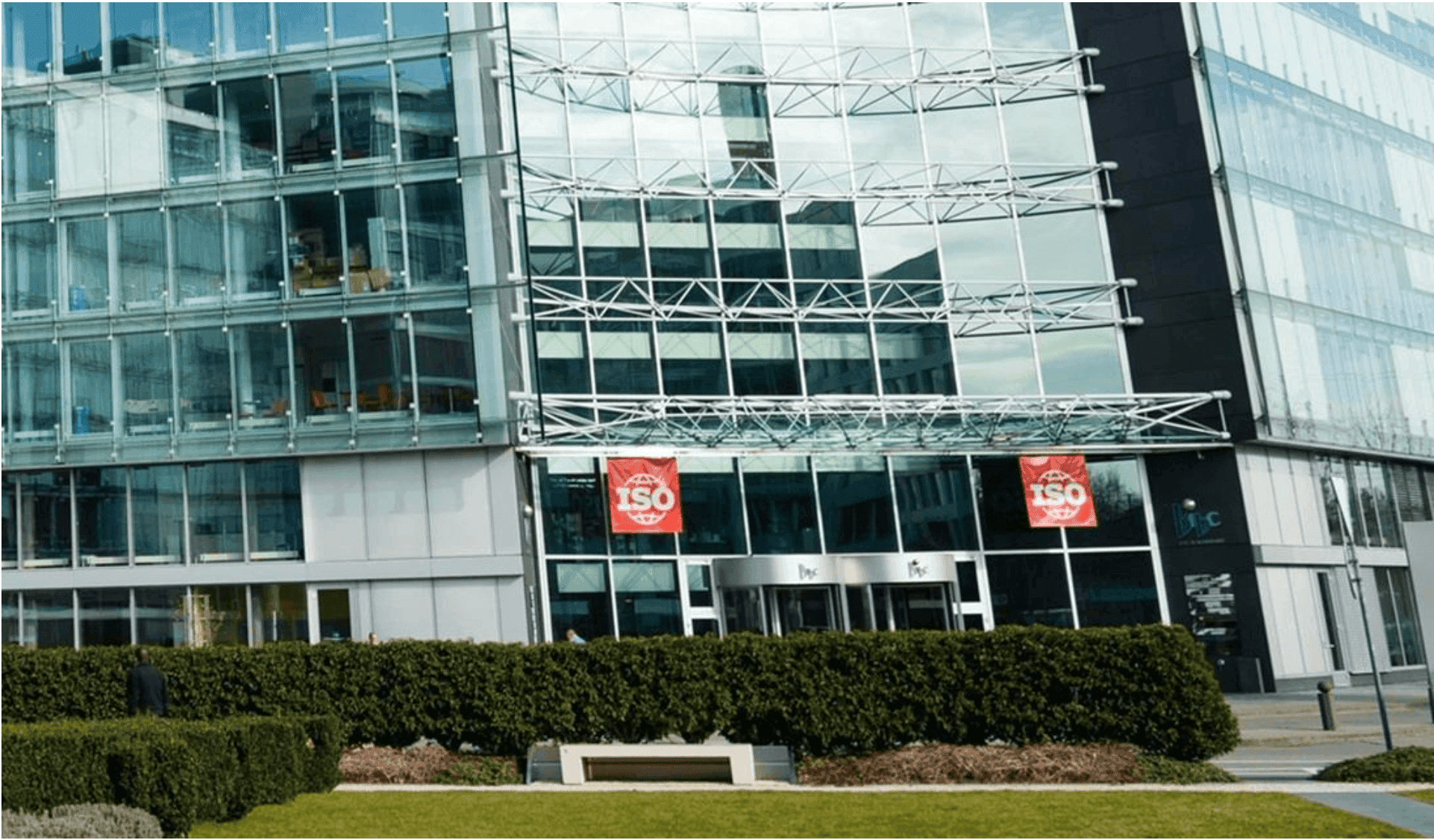
ISO, GHG Protocol to Launch a Single Unified Carbon Accounting Standard
International carbon accounting standards are unifying.
Vizibli
Insight2 min read
Removing carbon is critical to achieving our net zero goals. That's why Vizibli is contributing 1% of our revenues to support innovative technologies and companies that are at the forefront of decarbonisation. We've partnered with Stripe Climate to identify and fund businesses doing some amazing things.
Vizibli
At Vizibli, we believe sustainability should do more than measure impact — it should actively reduce it.
That's why every Vizibli subscription contributes to durable carbon removal, supporting the scale-up of innovative technologies that permanently remove CO₂ from the atmosphere.
We do this by aligning with Stripe Climate and its carbon-removal buying programme, Frontier, acting as an early customer for the most promising solutions on the planet.
Stripe Climate is one of the simplest and most credible ways businesses can help permanent carbon-removal technologies launch and scale.
Frontier's founding members include Google, Meta, McKinsey, Shopify and Stripe and brings together leading scientists and climate experts to identify solutions with the potential to remove carbon at gigaton scale — not offsets, not avoidance, but real, measurable removal.
By participating, Vizibli customers are part of a growing group of ambitious businesses accelerating technologies the world will need to avoid the worst impacts of climate change.
Your contribution supports early deployment of multiple carbon-removal approaches — increasing the likelihood these solutions become viable at global scale.
Karbonetiq takes alkaline industrial residues that naturally absorb CO₂ from the air and cycles them through a low-cost, passive aeration system. Their system could improve mineralisation rates by increasing exposed surface area and minimising deployment footprint, allowing projects to be co-located with existing industrial activities.
Limenet is developing a custom electric kiln to produce zero-carbon quicklime – a clean, fast-reacting feedstock. Their carbon-free quicklime enables a range of promising approaches to scale, and can support broader decarbonisation efforts by replacing industrial quicklime commonly used in applications like steel production and cement manufacturing.
pHathom captures CO₂ emissions from coastal bioenergy plants using a slurry of limestone, seawater and biocatalysts inside a weathering reactor, forming a stable bicarbonate solution that can be safely discharged into the ocean. Their approach provides critical storage for coastal projects, enabling scalability where geologic injection is not feasible.
By using Vizibli, you're not just understanding your footprint — you're actively helping build the next generation of permanent carbon-removal infrastructure. Think of it like early-stage venture capital for the climate: small contributions today that unlock massive impact tomorrow.
Measure. Reduce. Remove.
Insight1 min read
International carbon accounting standards are unifying.
Vizibli

Insight3 min read
Reporting carbon emissions can be a time consuming exercise. Carbon accountants and sustainability consultants can spend weeks collecting, cleaning, and formatting emissions data from clients. Data is often shared by clients in spreadsheets, which can be error-prone, subject to multiple versions and formats resulting in significant unbillable hours and poor margins for consultants and advisors. The new breed of AI first platforms (such as Vizibli) eliminates the data collection bottleneck by letting clients self-serve, uploading existing accounting exports, utility bills, and invoices directly into a platform that automatically normalises, enriches, and categorises every transaction against a recognised GHG taxonomy. Unlike spreadsheet-based estimates, AI-powered platforms analyse thousands of individual line-item transactions with full transparency, displaying every emissions factor and calculation alongside an accuracy score that gives stakeholders genuine confidence in the output. Sustainability consultants using automated platforms can reduce data administration time by around 90%, take on more clients without growing headcount, and unlock recurring revenues through subscription-based Scope 1, 2, and 3 reporting engagements. From data to disclosure in minutes not months, the right platform takes businesses from raw financial data to a validated emissions report, compliant reduction plan, and ongoing carbon management programme — all within a single, auditable platform.
Vizibli

Insight8 min read
Most corporates default to passing the cost of Scope 3 carbon reporting down to their suppliers — but this supplier-funded model produces low adoption, poor data quality, and supply chain resentment that quietly kills the programme. A centrally-funded managed service, where the corporate sets the standard and funds the delivery infrastructure, removes the cost barrier, drives dramatically higher engagement, and produces the consistent, auditable emissions data that regulators and investors increasingly demand. Inspired by Deutsche Bank's sustainability-linked supply chain finance model, the smartest approach gives corporates control over a flexible funding spectrum — from fully supplier-funded through to fully corporate-backed — so they can invest where it matters, move their Scope 3 numbers, and make their sustainability programme feel like a commercial commitment rather than just another ask placed on suppliers.
Vizibli
Book a call today. No complex set up or training. Just results, from day one.